As your journey nears its final staging ground, you must move beyond individual vessels and establish a Unified Command Center. In the landscape of 2026, working smarter through digital efficiency is no longer just about having the fastest tools; it is about how those tools speak to one another. To secure your position, you must find the Integration Edge—the point where your internal business logic and external search authority become a single, unbreakable signal.
Key takeaway: System integration is the final gear of the automated armada; it transforms isolated data points into a unified signal of brand authority [1].
The Trust Loop: CRM as a Search Signal
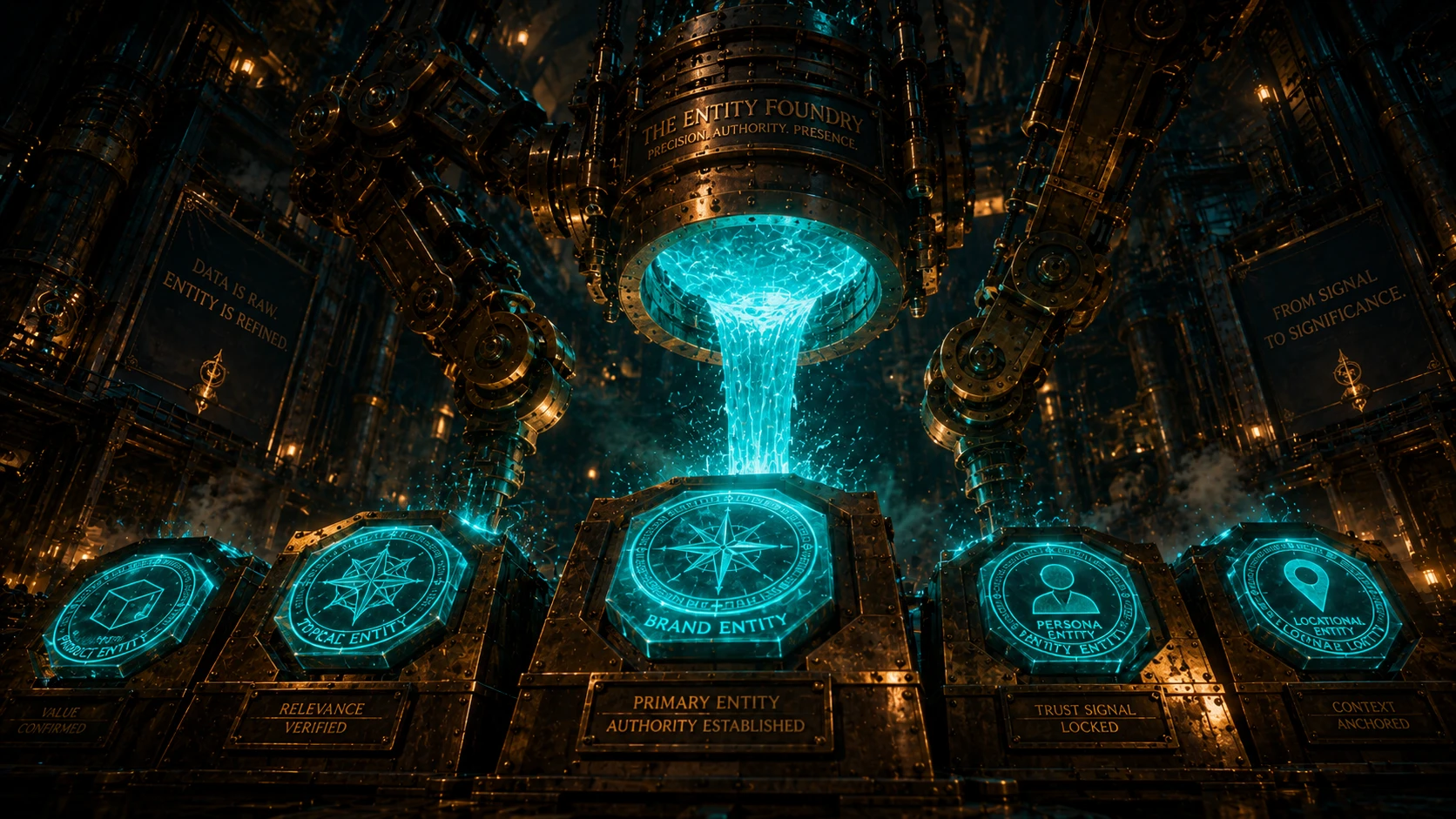
In 2026, AI engines like GPT-5 and Claude 4 evaluate your brand based on its Full-Cycle Entity status. They aren’t just looking for content; they are looking for a living business. By scaling organization proof through schema and connecting it to your central Customer Relationship Management (CRM) system [2], you ensure that every fact—from your current pricing to your physical location—is identical across the web.
When your systems are siloed, you create “Ambiguity Friction.” By integrating your lead management with your digital labels, you ensure your responsiveness signal remains high, proving to search engines that your brand is a reliable and active participant in the market.
Key takeaway: Connecting your CRM to your search strategy allows AI engines to verify your brand as a ‘Full-Cycle Entity’ that exists beyond the webpage.
Notification Workflows: Closing the Speed Gap
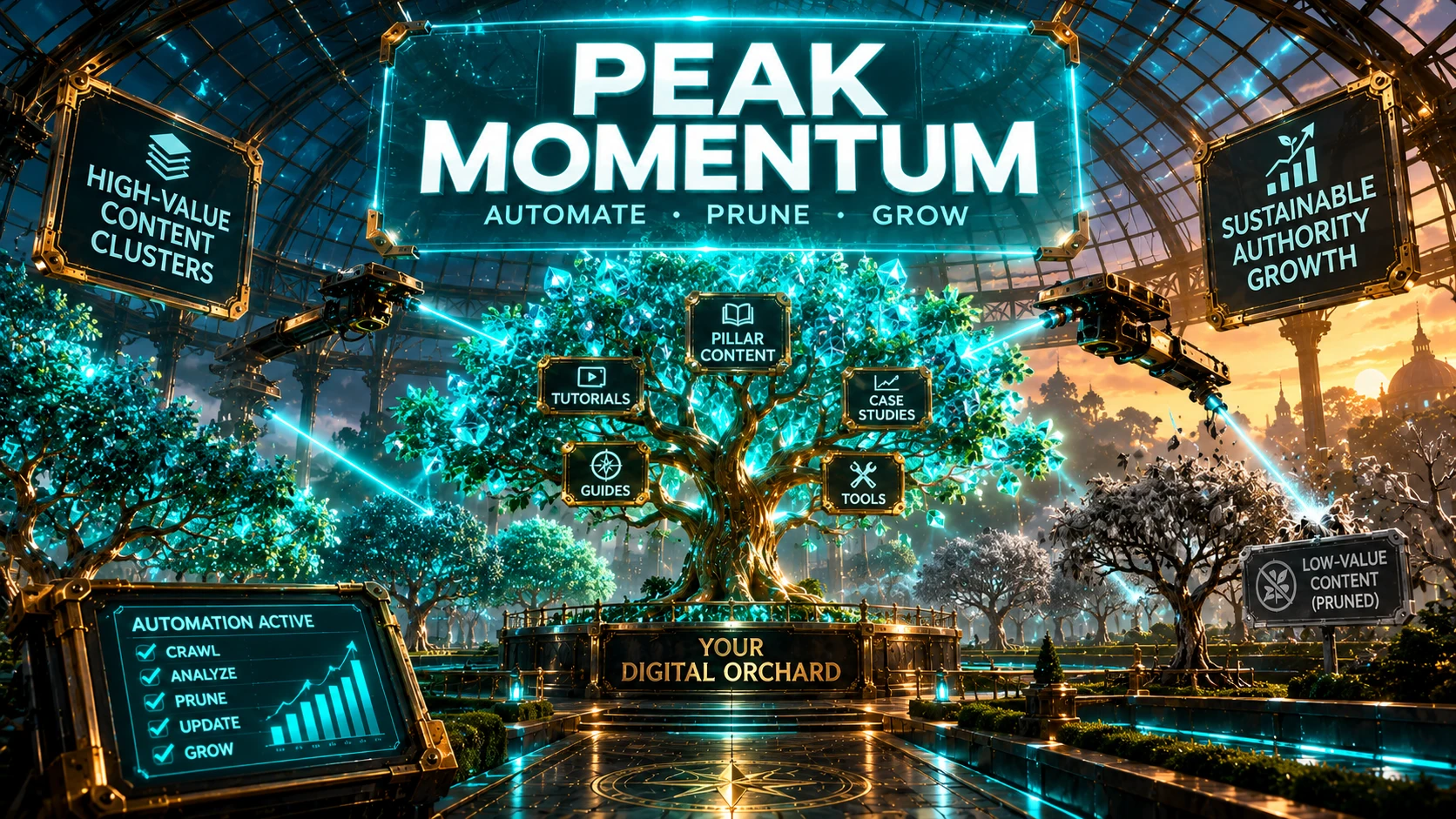
Scaling your operations requires that your team moves at the speed of the AI that found the customer. Implementing internal workflow optimisation means that the moment an AI search engine directs a user to your site, a Notification Workflow is triggered [3]. This ensures that the high-velocity leads generated in the generative era don’t sit in an inbox—they are converted through immediate, automated human engagement.
This integration is vital for positioning your brand as a step-by-step authority. If your “HowTo” content brings them in, your integrated workflow must take them the rest of the way.
Key takeaway: Automated notification workflows ensure that high-velocity AI leads receive immediate human follow-up, maintaining the ‘Responsiveness Signal’.
Manual vs. Integrated Workflow: The Efficiency Gap
| Step in Journey | Manual Process (Friction) | Integrated Process (The Edge) |
|---|---|---|
| Lead Capture | Email sits in general inbox | Instant CRM entry & tagging |
| Data Sync | Manual update to Google Profile | Automated API update of facts [4] |
| Team Action | Waiting for manager review | Automated Notification Workflow |
| Follow-up | Hours or days later | Instant response via SMS/Email |
Summary: Orchestrating the Final Signal
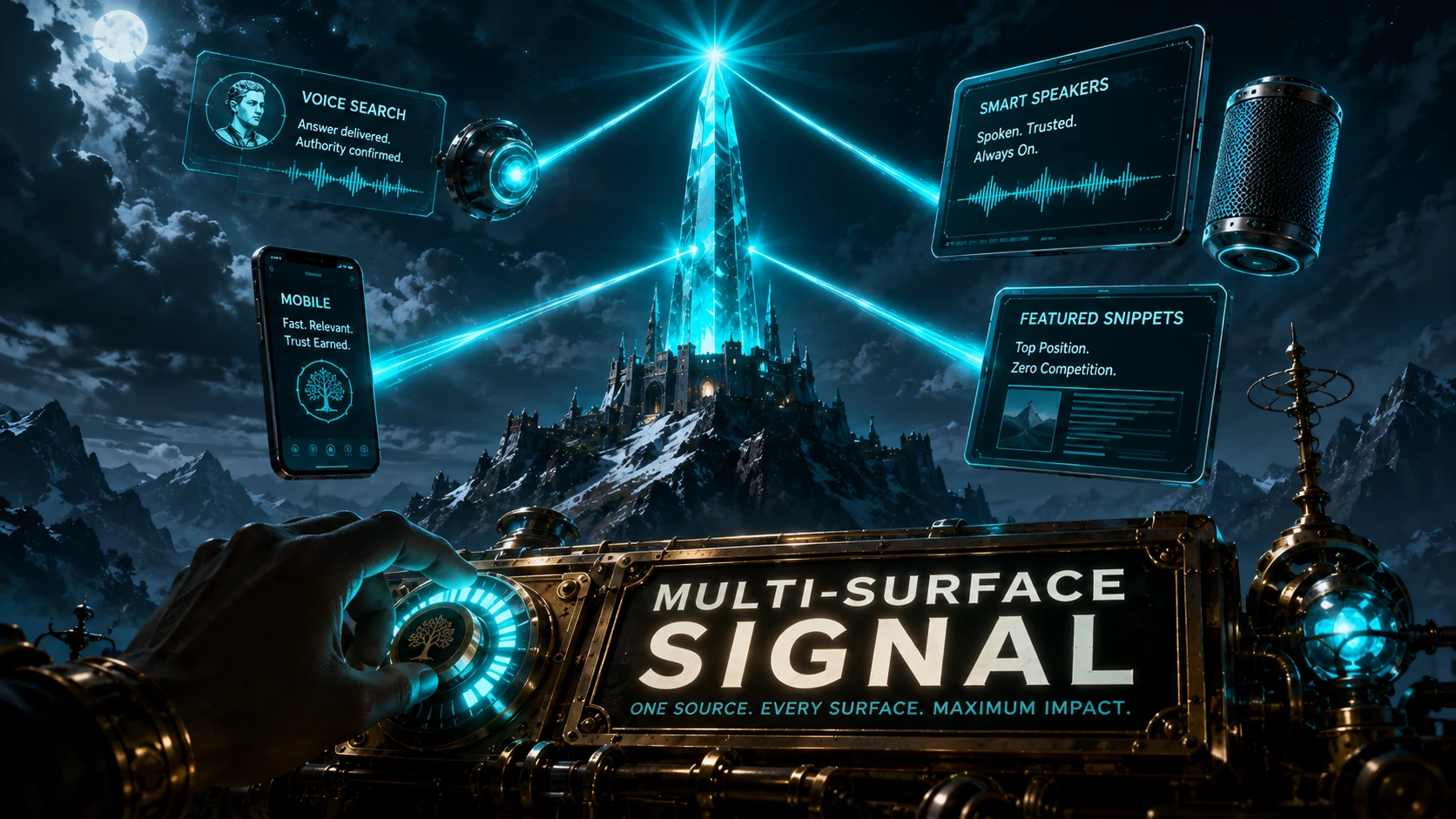
To “Work Smarter” is to orchestrate every tool in your fleet to play the same note. The integration edge is not about buying more software; it is about connecting what you already have to ensure your brand’s voice is heard clearly by every AI surface [5]. This is the final step in navigating the shift to direct answers—becoming a business that is as citable as a book but as fast as a bot.
As you finish your Command Center, remember: the most powerful fleet is the one that moves with a single mind.
Key takeaway: The integration edge is found where internal business logic and external search signals meet to create a frictionless experience for the user.